Loading...
Serving Crown Point, IN and surrounding areas. (219) 900-8772
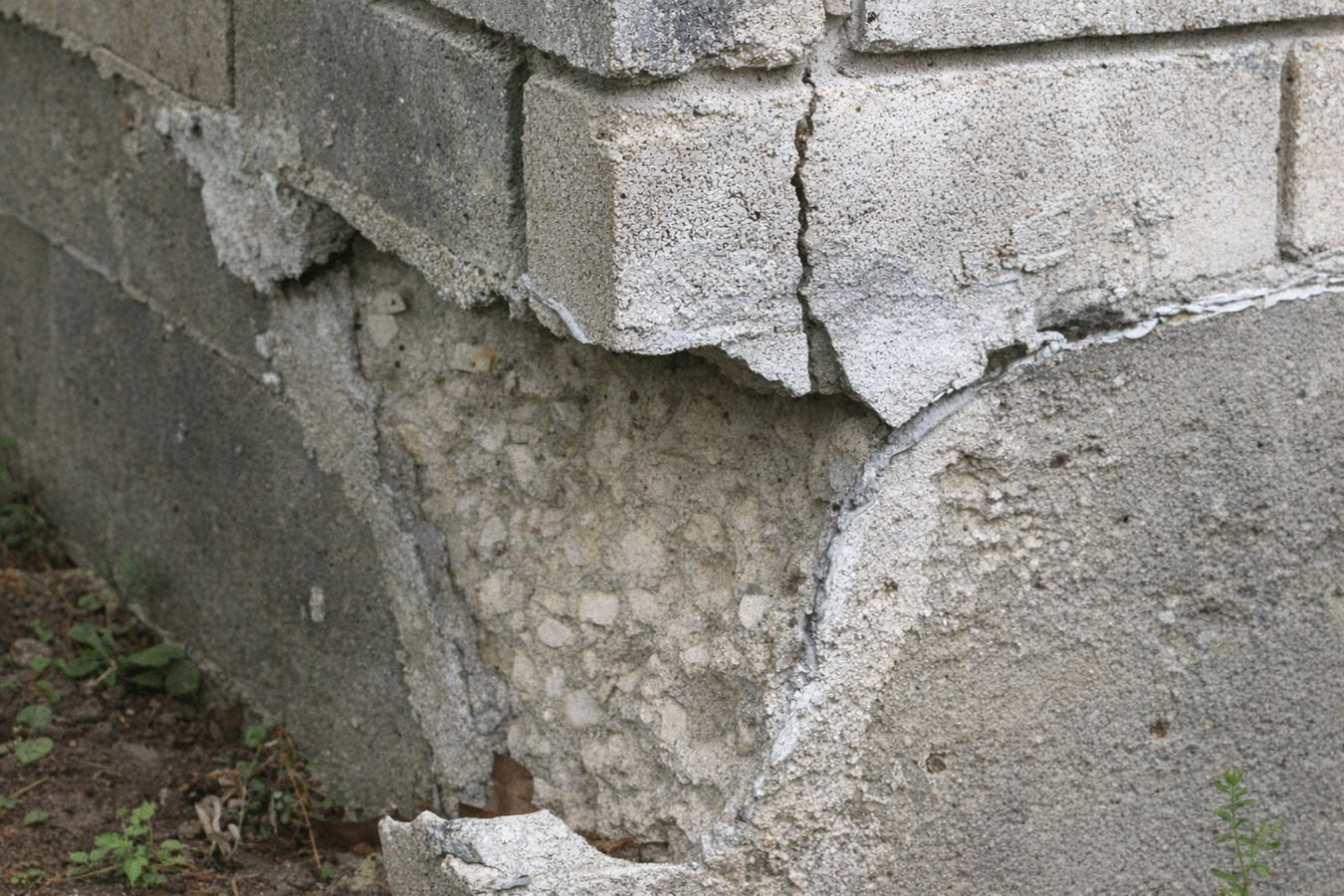
A sunken driveway, patio, or walkway is a tripping hazard and an eyesore. We lift it back to level in a single day - no tear-out, no mess, and far less cost than replacement.
Foundation raising in Crown Point is the process of lifting a sunken or uneven concrete slab back to its original level position by pumping material into the void underneath it, with most residential jobs completed in a single day and the surface ready to walk on the same afternoon.
If you have a concrete slab - a driveway panel, patio section, front walk, or garage apron - that has dropped below where it should be, you have probably wondered whether it is cheaper to fix it or replace it. In most cases, if the concrete itself is still in one piece, raising it is a fraction of the replacement cost and far less disruptive. Crown Point homeowners deal with this regularly because of the clay-heavy soil underfoot and the hard freeze-thaw winters that move that soil every year. If the settling has affected your home's structural foundation rather than just flatwork, our slab foundation building service covers more extensive structural concrete work.
We explain exactly what caused the slab to drop, which lifting method fits your situation, and what the job will cost before any work begins. No surprises, no pressure.
If you can see a clear drop between two concrete panels - even just an inch or two - the ground underneath one of them has shifted. In Crown Point, this often happens after a wet spring or a hard winter, when the clay soil has gone through several cycles of swelling and shrinking. A raised edge like this is also a tripping hazard that gets worse once ice forms in the gap.
Crown Point's flat landscape means water tends to collect rather than run off. If you notice puddles forming right next to your home's foundation or along a slab edge after rain, that is a warning sign. Standing water erodes the soil underneath concrete over time, creating voids that cause slabs to sink. If you see this pattern repeatedly, the slab may already be moving - or will be soon.
When the ground under a foundation moves, the whole structure can shift slightly, and one of the first places you notice it is in doors or windows that suddenly do not open and close the way they used to. This is especially worth paying attention to in older Crown Point homes, where the original soil compaction may not have been as thorough as modern standards require.
Small cracks along the perimeter of a driveway panel, patio, or sidewalk often mean the slab is settling unevenly - one side is dropping while the other holds. In Crown Point's clay soil, this kind of cracking tends to appear in the spring after a wet winter. If the cracks are hairline-thin and the slab is mostly flat, raising is likely a good option. If it is broken into multiple pieces, the situation needs a different conversation.
Every foundation raising project starts with an on-site inspection to figure out why the slab sank in the first place. Skipping that step is how poor contractors end up lifting a slab that just sinks again six months later. We look at drainage patterns, soil conditions, and the state of the concrete itself before recommending a method. Our concrete cutting service is available for situations where a damaged section needs to be removed before a repair can happen - sometimes the right answer involves both cutting and raising on the same project.
We offer both mudjacking and polyurethane foam injection, and we will explain the trade-offs of each for your specific situation. Mudjacking uses a cement-and-soil slurry pumped under the slab - it has been the standard method for decades and tends to cost less. Foam injection uses a lightweight expanding foam that cures faster and holds up better in wet conditions. The right choice depends on your slab, your soil, and how you plan to use the surface. We give you a written estimate before anything starts.
For homeowners with one or more driveway panels that have settled below the surrounding surface - a one-day fix that restores a flush, safe driving and walking surface.
For sunken patio sections or front and back walkway slabs that have dropped unevenly - ideal for homeowners who want a level surface without the disruption of a full replacement.
For garage floors that have developed a noticeable slope or low spot, especially in older Crown Point homes where the original slab was poured over minimally prepared soil.
For front or rear entry slabs and step landings that have dropped away from the house structure, creating a gap or trip hazard at the entry.
Crown Point sits in Lake County, Indiana, where the soil is predominantly clay-based. Clay soil swells when it gets wet and shrinks when it dries - and that constant movement is one of the leading reasons concrete slabs sink or tilt over time. Add in Crown Point winters, where the ground can freeze and thaw repeatedly from November through March, and you have conditions that are genuinely hard on any concrete slab sitting on the surface. The American Concrete Institute documents how freeze-thaw cycling accelerates soil movement and void formation under slabs - exactly what we see regularly in this area. A significant portion of Crown Point homes were built in the 1950s through 1980s, meaning many concrete driveways and walks are 40 to 70 years old and well past the point where the original soil compaction can hold.
Crown Point's relatively flat terrain means water does not always drain away from homes efficiently. Standing water near a foundation or slab accelerates soil erosion underneath the concrete, which is why homeowners in lower-lying parts of the city tend to see settling issues sooner. We serve homeowners across the area, including in Schererville and Dyer where the same flat-terrain drainage challenges apply. Knowing local soil and drainage conditions is what separates a raising job that holds for years from one that settles again within a season.
We respond within one business day. We will ask what is sinking, how much, and how long you have noticed it. You do not need any answers ready - just describe what you are seeing and we will take it from there.
We walk the area with you and look at the slab from multiple angles, checking how far it has dropped and what may have caused the settling. In Crown Point, we also look at drainage patterns around the slab, since water management is often part of the story.
After the assessment, we give you a written estimate that explains what work we recommend, which lifting method we plan to use and why, and what it will cost. If replacement makes more sense than raising, we will tell you honestly - even if that means a different type of job.
The crew drills small holes through the slab, pumps the lifting material underneath, and watches as the slab rises back into position. Once level, the holes are patched with concrete mix. Most residential jobs are done in a few hours, and you can walk on the surface the same day.
We give you a clear written estimate after seeing the job in person. No obligation, no pressure - just a straight answer about what it will take.
(219) 900-8772We start every raising job with a thorough inspection to understand why the slab sank before any lifting begins. In Crown Point, that almost always involves clay soil movement, drainage, or freeze-thaw cycling - or a combination of all three. You leave the conversation knowing what happened and what you can do to keep it from happening again.
If your slab is too far gone to raise - broken into pieces, severely crumbled, or structurally compromised - we will tell you that directly and explain why. We do not push raising when replacement is the smarter call. That kind of honest guidance is how we earn repeat calls and referrals in this area.
Indiana requires contractors doing this type of structural work to carry proper licensing, and you can verify that through the Indiana Professional Licensing Agency. Working with a licensed contractor protects you if something goes wrong - and gives you recourse that a handyman or unlicensed crew does not provide.
We give you a written estimate before any work begins, and we do not change that number unless the scope of work changes - and if it does, we tell you before we proceed, not after. Crown Point homeowners deserve to make a confident hiring decision, and that starts with knowing the full cost upfront.
These proof points add up to one thing: a contractor you can trust to give you the right answer for your specific situation, not the answer that is easiest for us. That is how we have built our reputation in Crown Point and across Lake County.
When a damaged slab section needs to be removed before repair or replacement, precise diamond-blade cutting is the cleaner, safer approach.
Learn MoreFor projects that go beyond lifting existing flatwork - full slab pours for new construction or major structural replacement in Crown Point.
Learn MoreCall us today or request a free written estimate. Most jobs are scheduled quickly and finished in a single day.